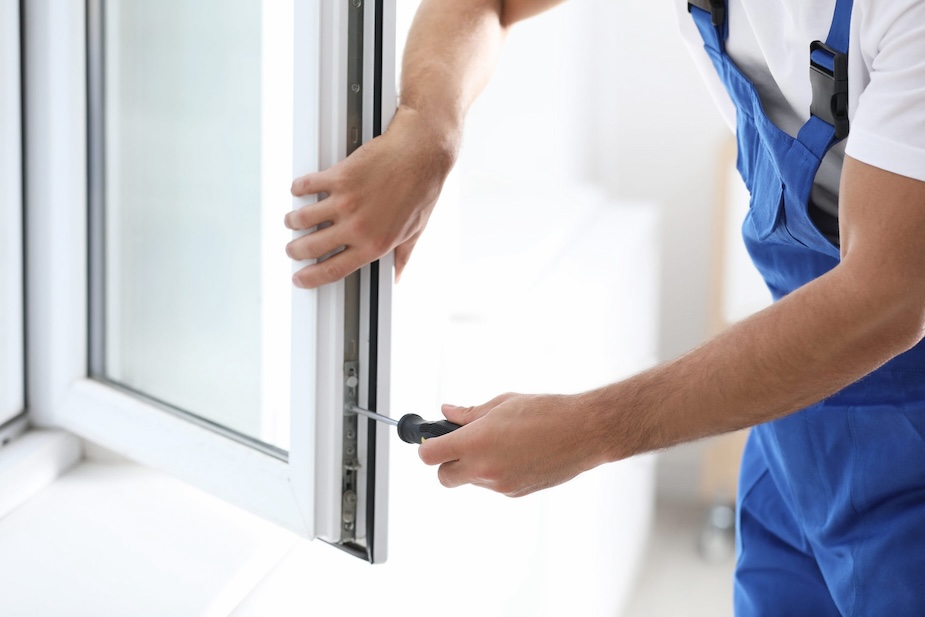
Reliable Lock Repair: Ensuring Security and Convenience
In a world where security is critical, the functionality and dependability of locks can not be overstated. Whether it's the front door of a home, a business office, or a high-security vault, a well-maintained lock is important for securing what matters most. Nevertheless, locks, like any mechanical gadget, can wear over time or struggle with damage. This is where trusted lock repair services enter into play, using assurance and guaranteeing that security procedures remain effective. This article explores the value of trusted lock repair, the common problems that develop, and how to pick the right locksmith professional for the task.
The Importance of Reliable Locks
Locks serve as the very first line of defense against unapproved gain access to. They protect individual possessions, delicate details, and even the safety of individuals. A dependable lock repair service ensures that these safeguards remain robust and functional. Here are a few essential reasons why maintaining and fixing locks is essential:
- Security: A malfunctioning lock can be bypassed more quickly, leaving properties and important assets susceptible to theft and intrusion.
- Convenience: When locks remain in excellent working order, they make daily jobs easier, such as going into and leaving a building or accessing a safe and secure area.
- Compliance: In lots of industrial and governmental settings, locks should fulfill specific security standards. Routine maintenance and repairs help ensure compliance with these policies.
- Durability: Proper upkeep can extend the life of a lock, conserving cash in the long run by reducing the need for frequent replacements.
Typical Lock Issues
Locks can deal with a range of concerns, from minor hassles to major security issues. Here are some of the most common issues:
- Sticking or Jamming: This is typically triggered by dirt, debris, or use and tear. Keys might not move smoothly into the lock or might get stuck.
- Secret Breakage: Over time, keys can deteriorate and break off inside the lock, making it difficult or difficult to unlock.
- Worn Lock Mechanisms: Internal parts can use out, causing a lock that doesn't function as planned.
- Lock Failure: In extreme cases, the lock may fail totally, needing immediate attention to prevent security breaches.
- Harmed Lock Cylinders: Impact or required entry can harm the lock cylinder, necessitating professional repair or replacement.
- Lost Keys: While not a lock problem per se, losing secrets can lead to the requirement for lock repair or rekeying to make sure continued security.
Steps to Repair a Lock
While some minor lock issues can be resolved with DIY techniques, more intricate problems frequently need expert aid. Here's a detailed guide to repairing a sticking lock:
- Identify the Problem: Determine whether the lock is sticking due to dirt, wear, or damage. Try to find indications of wear on the secret and the lock itself.
- Clean the Lock: Use a lube or graphite powder to clean up the lock. Insert see this here and spray the lubricant into the keyhole, then work the key in and out a number of times.
- Examine the Strike Plate: Ensure that the strike plate (the metal plate on the door frame) is properly lined up with the lock. Misalignment can cause the lock to stick.
- Change the Lock: If the lock is misaligned, you might need to change the screws or the lock itself to remedy the problem.
- Replace Worn Parts: If internal elements are worn, they may require to be replaced. This is frequently a task for a professional locksmith professional.
For more complicated issues, such as a broken secret or harmed lock cylinder, it is best to call a professional locksmith. They have the know-how and tools to detect and repair the issue efficiently.
Picking the Right Locksmith
Selecting a reputable locksmith professional is important for making sure that your lock repair is done correctly and safely. Here are some tips for selecting the right locksmith:
- Research and Reviews: Look up local locksmiths and check out evaluations from previous customers. A locksmith with favorable reviews is more likely to provide quality service.
- Licensing and Certification: Ensure that the locksmith professional is licensed and accredited. This ensures that they have satisfied particular standards of training and professionalism.
- Experience: Choose a locksmith professional with experience in managing a variety of lock types and concerns. Experience typically translates to better service and quicker problem resolution.
- 24/7 Availability: In emergencies, it's crucial to have a locksmith who can respond quickly. Try to find services that offer 24/7 accessibility.
- Openness and Pricing: Ask for a clear estimate of the cost before any work is done. A trustworthy locksmith professional will be upfront about prices and won't charge covert fees.
Frequently Asked Questions About Lock Repair
Q1: How often should I have my locks serviced?
- It is generally suggested to have your locks serviced every 6 months to a year, depending upon the frequency of use and the environment. Regular upkeep can assist prevent concerns and ensure that your locks are functioning optimally.
Q2: Can I repair my lock myself, or do I require an expert?
- For minor problems like a sticking lock, DIY approaches can typically work. However, for more complicated problems, such as a damaged secret or harmed lock mechanism, it is best to call a professional to avoid additional damage and make sure correct security.
Q3: What should I do if I lose my keys?
- If you lose your secrets, the very first action is to check if you have any extra secrets. If not, contact a locksmith to either rekey the lock or replace it completely. It's also an excellent idea to think about adding an extra secret to a protected area or a key safe.
Q4: How can I avoid lock problems?
- Routine upkeep, such as cleansing and lubing the lock, can assist prevent concerns. Avoid utilizing excessive force when placing or turning the secret, and keep the lock complimentary from dirt and particles.
Q5: Are there various types of locks, and do they require different repair techniques?
- Yes, there are numerous types of locks, consisting of deadbolts, lever deals with, and smart locks. Each type might need different repair techniques and tools. An expert locksmith will have the understanding and equipment to handle any lock type.
The Role of Technology in Lock Repair
In the last few years, innovation has played a significant role in lock repair and upkeep. Smart locks, for example, can offer extra security features and benefit. Nevertheless, they also need specialized understanding and tools for repair. Here are a couple of methods innovation has affected lock repair:
- Smart Locks: These locks can be managed through smartphone apps and frequently have functions like remote gain access to and activity logs. If a clever lock breakdowns, a locksmith with expertise in these devices will be necessary.
- Keyless Entry Systems: These systems utilize finger print recognition, keypad codes, or card readers. They can be more secure and practical however may require expert installation and maintenance.
- Digital Locksmith Tools: Modern locksmiths frequently use digital tools to identify and repair locks. These tools can offer more exact and effective service.
Reliable lock repair is essential for preserving the security and benefit of any property. Whether dealing with a small sticking problem or a significant lock failure, having a trusted locksmith professional on hand can make all the distinction. By comprehending typical lock problems, taking steps to repair them, and picking the ideal expert, you can ensure that your locks remain a strong line of defense against unapproved access.
Locks are more than simply mechanical devices; they are a testimony to the importance of security in our everyday lives. By investing in regular maintenance and professional repair, you can delight in comfort knowing that your home is well-protected.
Additional Resources
- Regional Locksmith Associations: Many locations have regional locksmith professional associations that can provide a list of certified and reliable locksmith professionals.
- Online Reviews: Websites like Yelp and Google Reviews can offer insights into the experiences of other customers.
- Lock Maintenance Tips: Check maker standards for particular upkeep recommendations for different kinds of locks.
By following these guidelines and suggestions, you can ensure that your locks stay dependable and safe and secure, offering the protection you require in a world where security is a top priority.